16 November 2026
React Flow 13

If you just want to know the technical details and what you need to do to update, feel free to head on over to our migration guide or jump ahead to find out what’s new.
It’s been two years since the last major release of React Flow. Today we’re announcing the next major bump: React Flow 13! This release brings some welcome performance improvements and a slew of changes to help improve the developer experience.
Before we dive into the details, let’s take a quick look back at what’s been happening over the past couple of years. While we’ve been focused on improving the library, it looks like everyone else has been very busy.

Like many projects now, the rise of AI-driven development has seen a huge increase in the number of apps being built with React Flow. This time in 2024 we were celebrating hitting 1 million downloads per month on npm, and this month we’re on track to surpass 60 million!
In fact, React Flow accounts for about 6-8% of React’s own download count, meaning a staggering number of folks are out there building node-based UIs. Some of our favourites include Google Stitch , Figma Weave , and database.build by Supabase.
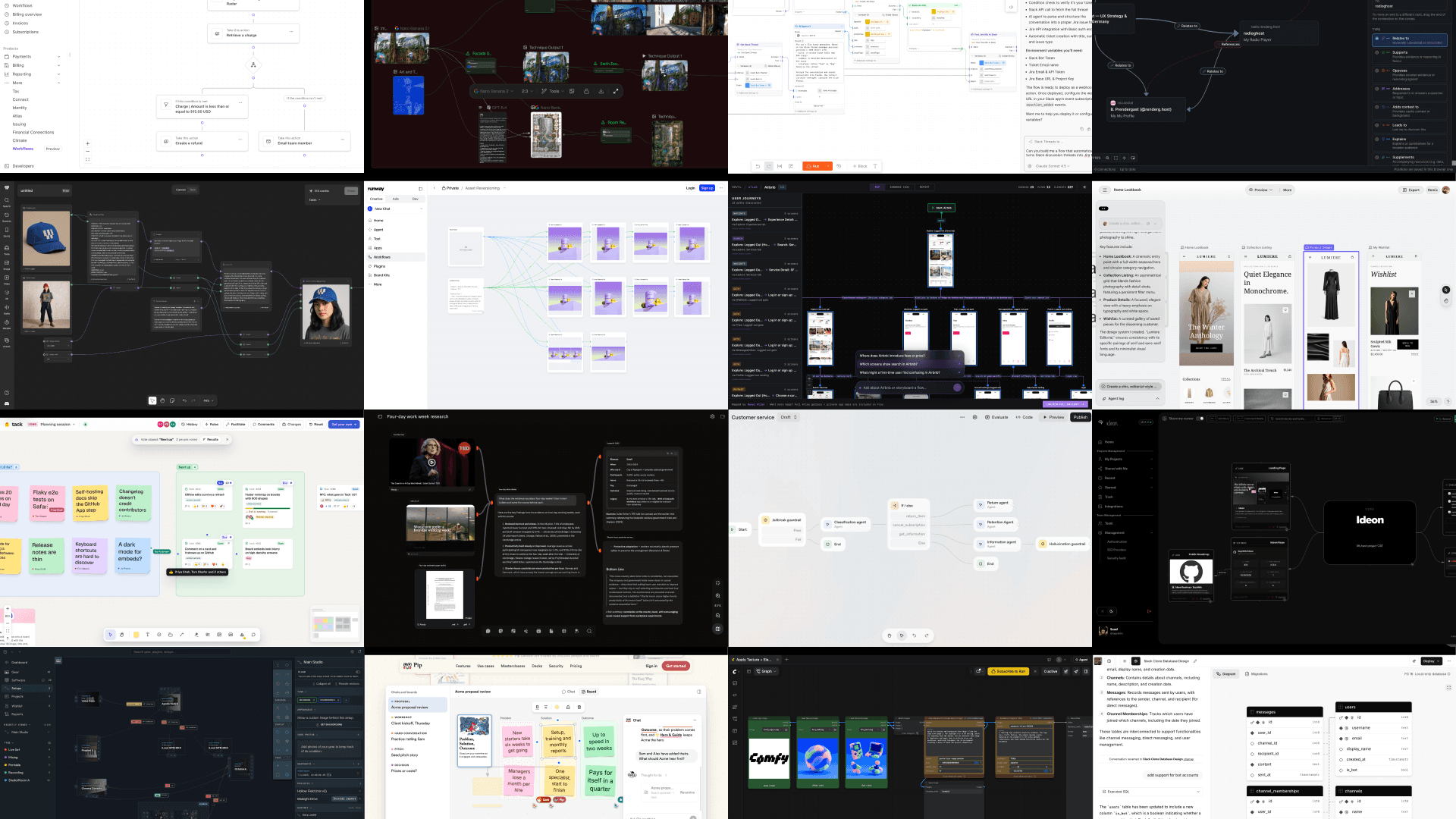
We love coming across these projects in the wild, but we also maintain a community showcase that anyone can submit to: if you’re building something with React Flow, we’d love to see it there!
We can build things too
Of course, we couldn’t let everyone else have all the fun. While working on the library, we’ve also built our own apps and tools too. One we’re most excited about is Strudel Flow .
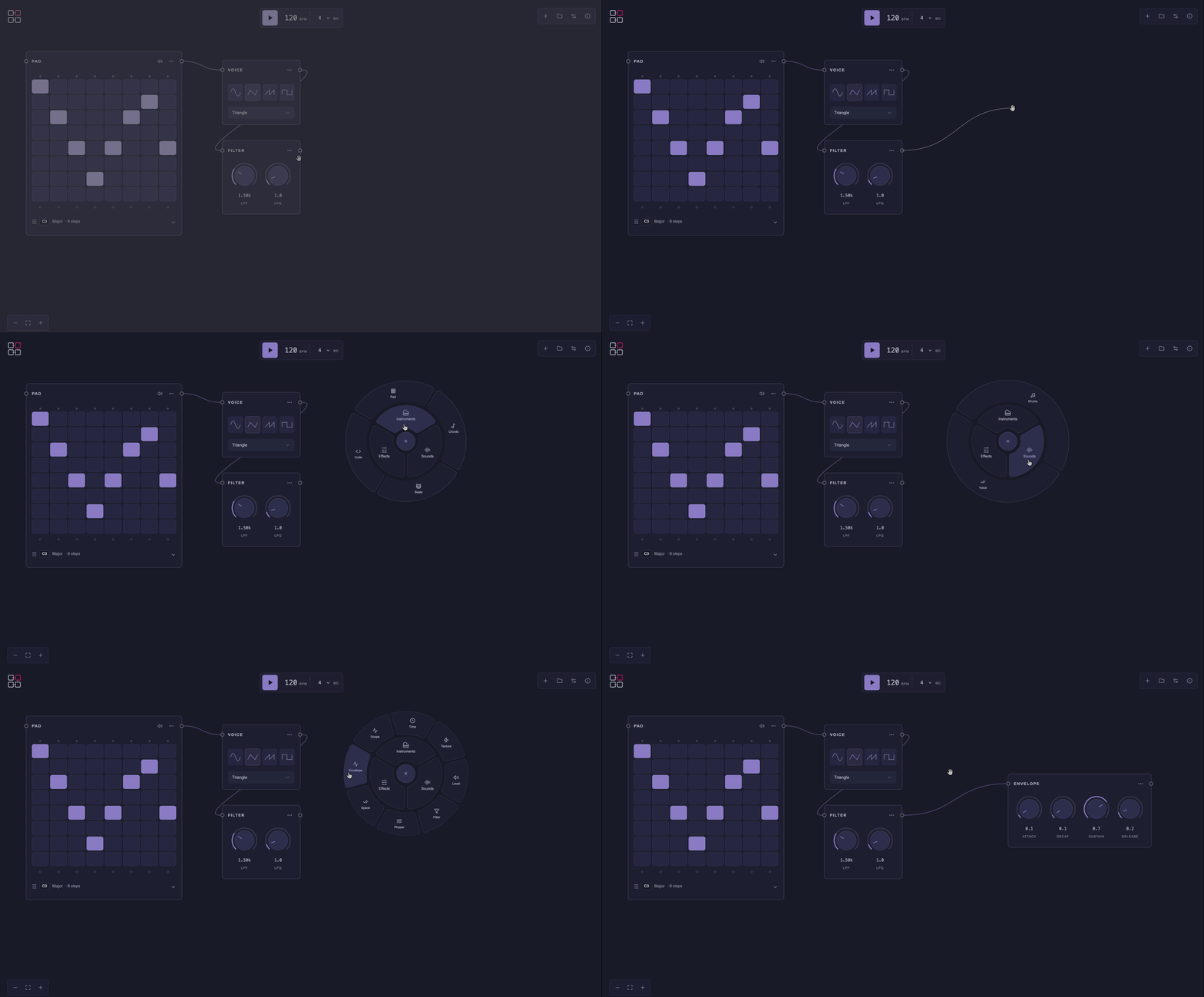
Strudel Flow is a live audio playground built on top of the Strudel livecoding language. You can use it to create and perform all kinds of music in an interface inspired by modular hardware and environments like Max/MSP.
The latest update makes it possible to contribute community patches so if you make something interesting, please consider submitting it so we can all play with it.
We’ve also expanded our Pro content. React Flow Pro is a subscription that helps fund the ongoing development of the library, while also providing access to advanced Pro Examples and templates.
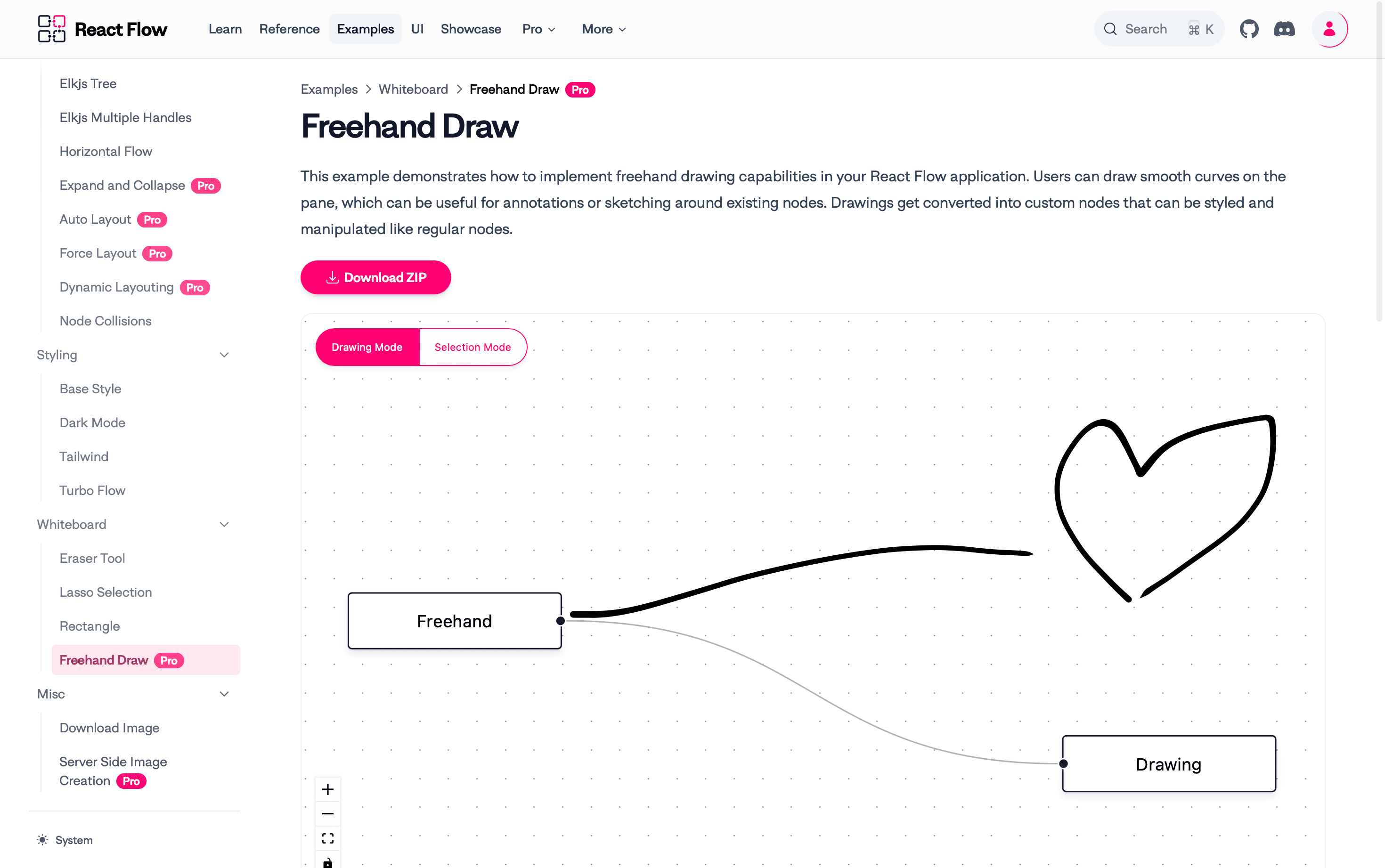
We now have Pro Examples for freehand drawing to support whiteboard-style applications, complex edge routing with libavoid, and a template for creating an AI workflow builder .
We’d like to expand our Pro offering even more in the future. If you have any
ideas for the kinds of content you’d like to see or thoughts on new things we
could offer, please drop us an email at info@xyflow.com!
So what’s new in React Flow 13
The main motivation for a new major release was the need to upgrade to Zustand 5 to resolve issues with Vite 8 and modern build setups in general. What started as a maintanance release evolved into a huge performance update thanks to very good PRs from Alaric . We took his ideas and built upon them to improve the performance for larger flows.
Performance improvements
Performance complaints in large flows or complex nodes have been a recurring
issue in previous releases. Compared to other similar libraries, React Flow uses
the DOM to render nodes rather than <canvas> or SVG. This approach means your
custom nodes can render arbitrary React components, allowing you to render
whatever complex and interactive UI you need, but has typically come at a cost
once the number of DOM nodes in the tree grows too large.
This release takes some important strides to improve performance of React Flow
itself. For example we have moved away from a monolithic store for React Flow’s
internal state, and replaced the previous useStore hook with multiple specialised
hooks. Now you can reach for specific stores for options, nodes, edges, selections,
and connections.
Likewise, the new useNode and useEdge hooks let a component subscribe to just
the node(s) or edge(s) it cares about. This goes a huge way towards reducing
unnecessary re-renders!
For this, Peter built a benchmarking tool (xybench), which is super cool, but that’s a topic for another blog post 👀
Better developer experience
We’ve also made a few changes to make React Flow nicer to work with day to day. That means we’re finally getting with the times and moving away from shipping a UMD bundle. Moving to ESM has been part of some modernisation efforts and we now also require at least React 18, letting us take advantage of the React Compiler for some free optimisations.
In addition, the package now includes its src/ directory and source maps, so
“Go to definition” in your editor can take you straight to the code behind the API,
not just its type definitions.
Working with parents and groups has got much easier too. A quirk in previous
versions meant a parent node had to appear before any of its children in your
nodes array. This often led to awkward juggling when dynamically grouping nodes
but has thankfully been addressed in this release. We’ve also introduced a new
changeParentNode utility through the useReactFlow hook. This util will make
sure the new parent has its bounds updated to include the new child. We think
these improvements will be particularly useful for canvas and design tools where
working with groups of nodes is common.
Styling and color modes
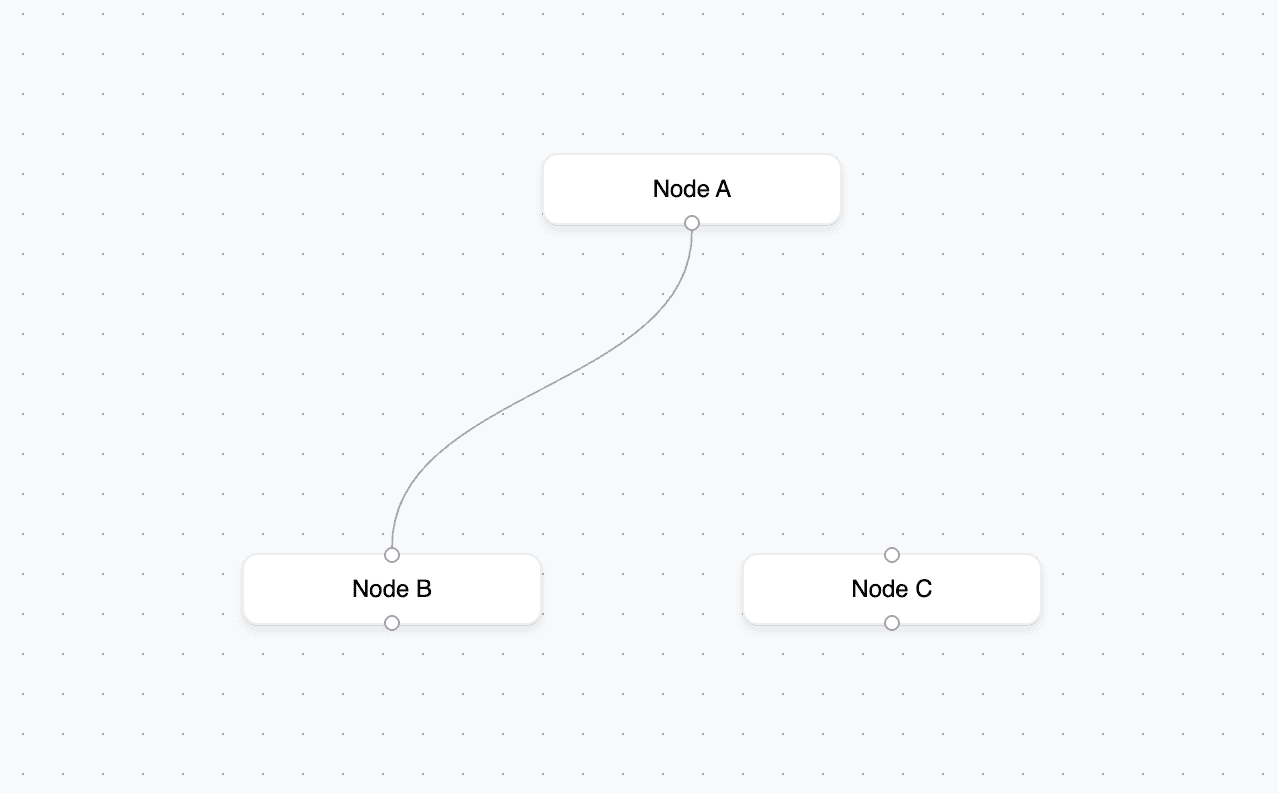
Styles were another area of focus in this release. React Flow now detects dark and light mode automatically and applies the appropriate styles. With the new version, styles are layered which makes it possible to specify when certain styles should apply, giving developers more control. In addition we are now exorting a new theme called xy-theme.css that we use in our website examples. If you like it, you can now use it by importing @xyflow/react/xy-theme.css.
Looking forward
And that’s React Flow 13! If you’re ready to jump in or want more details on what’s changed, head on over to the migration guide to see what you need to do. A huge thank you to everyone who has built with React Flow, shared what they’re working on, opened issues, and helped us make the library better.
If you or your organisation would like to support the development of React Flow, the best way to do that is with React Flow Pro : a subscription for you or your team directly funds the ongoing development of the library and gives you access to our suite of Pro Examples.
Lastly, if React or Svelte aren’t really your thing (why did you make it this far??), then we might just have something special on the horizon coming soon…
